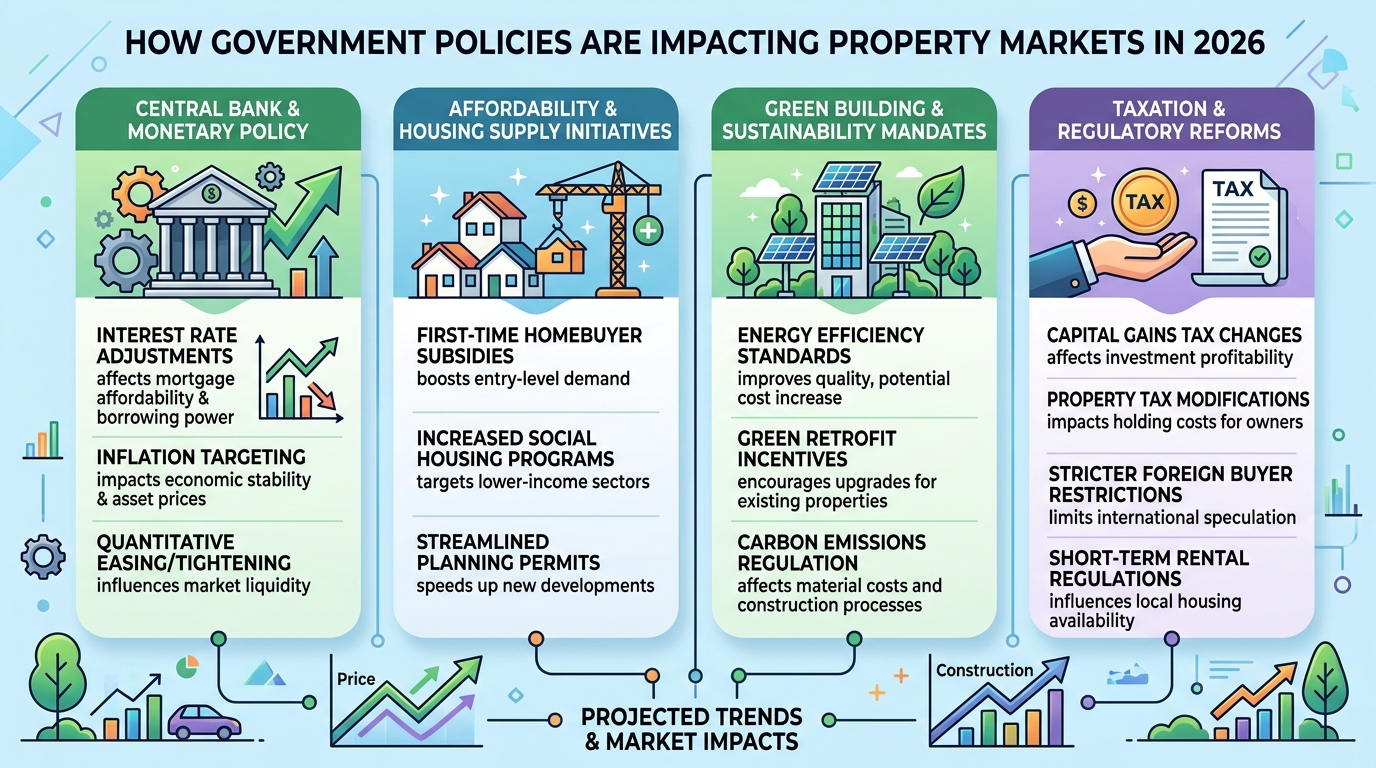
Property markets never stand still, and this year is no exception. Interest rates, construction levels, migration, and changing work patterns are all pulling prices and rents in different directions at once. Understanding the main housing market trends does not require an economics degree; it requires knowing which signals actually matter and how they affect a decision to buy, sell, or wait. This guide walks through the trends shaping the market now and what they mean for ordinary households.
Interest Rates Still Set the Tone
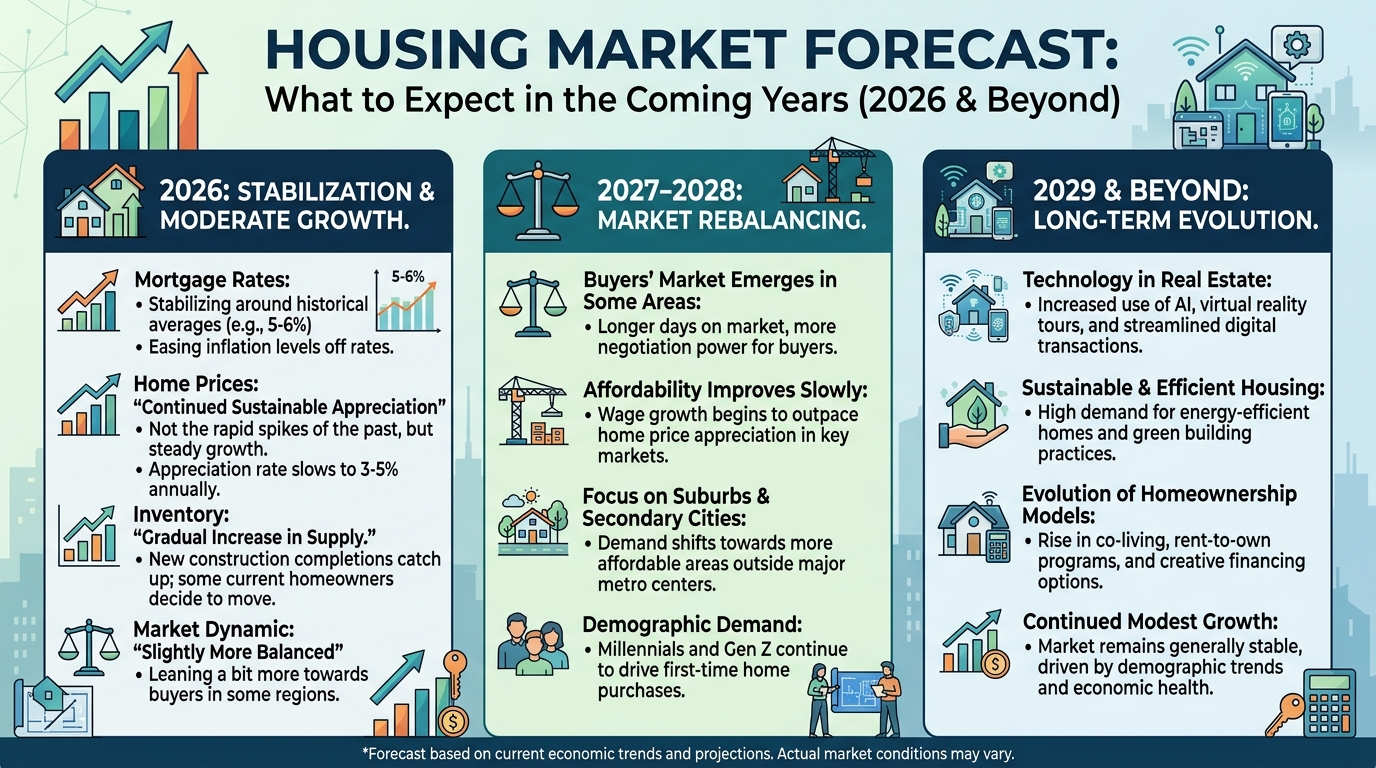
More than any other single factor, borrowing costs decide how much buyers can pay. When rates rise, monthly payments climb, budgets shrink, and price growth usually cools. When rates fall, demand returns quickly, especially among first-time buyers who were priced out. Even small rate changes matter: a half-point difference on a typical mortgage changes the monthly payment by an amount most families feel.
For buyers, the lesson is to secure a realistic pre-approval and budget for the payment, not the headline price. For sellers, rate movements explain why the same home can attract a crowd in one season and silence in another. Watching central bank signals is therefore not just for economists; it is one of the most practical housing market trends any participant can follow.
Supply: The Shortage That Will Not Fix Itself Quickly
In many cities and desirable suburbs, there are simply not enough homes for the number of households looking. Construction slowed for years in several major markets, and planning delays, labour shortages, and building costs keep new supply below demand. The result is a floor under prices in well-located areas and fierce competition for family homes near transport and good schools.
New apartment supply tells a more mixed story. Some districts have seen a wave of completions, giving buyers there more choice and negotiating power. The market is best understood street by street rather than as a single national picture, and local research beats national headlines every time. Buyers researching growth areas will find the method in our guide to choosing an investment suburb and planning property management useful well beyond one city.
How Buyer Behaviour Is Changing
Remote and hybrid work continue to reshape demand. Homes with a genuine workspace, a second living area, or a location in a lifestyle suburb hold their appeal, and regional centres within commuting reach of major cities remain popular. Energy efficiency has moved from a nice extra to a selling point, as buyers calculate running costs alongside purchase prices.
Investors, meanwhile, are more selective than in the boom years. Higher borrowing costs mean rental yield has to stack up on paper, not just in hope. At the premium end, demand for quality remains strikingly resilient; interest in luxury and ultra-luxury property in Dubai shows how wealthy buyers continue to treat top-tier real estate in global cities as a store of value, largely regardless of rate cycles.
Rents and the Other Half of the Market
Sales prices grab the headlines, but the rental market affects just as many households. In supply-short cities, rents have climbed steeply, vacancy rates sit near record lows, and tenants compete for homes in ways that were unthinkable a decade ago. For renters, that means applying with complete documentation ready and considering slightly wider search areas. For landlords, it means strong returns on paper, balanced against growing political attention on tenancy rules and rent controls in several markets.
The two halves of the market feed each other. When buying becomes unaffordable, more households rent for longer, pushing rents up; when rents rise far enough, buying starts to look attractive again for those who can assemble a deposit. Investors watch this relationship closely, because the point where rent on a property approaches the cost of owning it often signals where prices will move next.
Policy responses are gathering pace: incentives for new rental construction, reforms to planning systems, and in some places direct limits on rent increases. Whether these measures work will take years to judge, but anyone entering the market should factor likely rule changes into their thinking rather than assuming today’s settings are permanent.
What Sellers Should Take From the Current Market
Sellers in supply-short areas still hold a strong hand, but buyers are informed and quick to reject overpricing. Homes priced realistically are selling; homes priced on last year’s optimism sit, gather doubt, and often sell for less in the end. Presentation matters more in a discerning market too, because buyers comparing several options notice maintenance, light, and storage immediately.
Timing helps at the margins. Listing when comparable homes are scarce, and when your target buyers are active, can improve results, but condition and price remain the levers fully within a seller’s control. Agents who give honest appraisals supported by recent comparable sales are worth more than those who promise the highest number to win the listing.
Reading the Trends Without Being Ruled by Them
Housing market trends are context, not instructions. A family that needs more space, a worker relocating for a job, or an investor with a sound long-term plan should not freeze because a headline predicts movement either way. Markets reward people who buy good properties at fair prices and hold them, far more reliably than people who try to time the perfect month.
Local data is where all of this becomes usable. Follow the median price for your specific suburb and property type, the number of new listings each month, days on market, and auction clearance rates where they apply. Four numbers, checked monthly, will tell you more about your real position than a shelf of national forecasts. Agents, lenders, and local property journalists can all help you find them, and most are published free by property portals and statistics agencies.
Keep watching rates, supply, and local demand, because they tell you how much competition to expect and how firmly to negotiate. Then make the decision that fits your life and your numbers. That balance, informed but not intimidated, is the smartest way to use housing market trends this year.