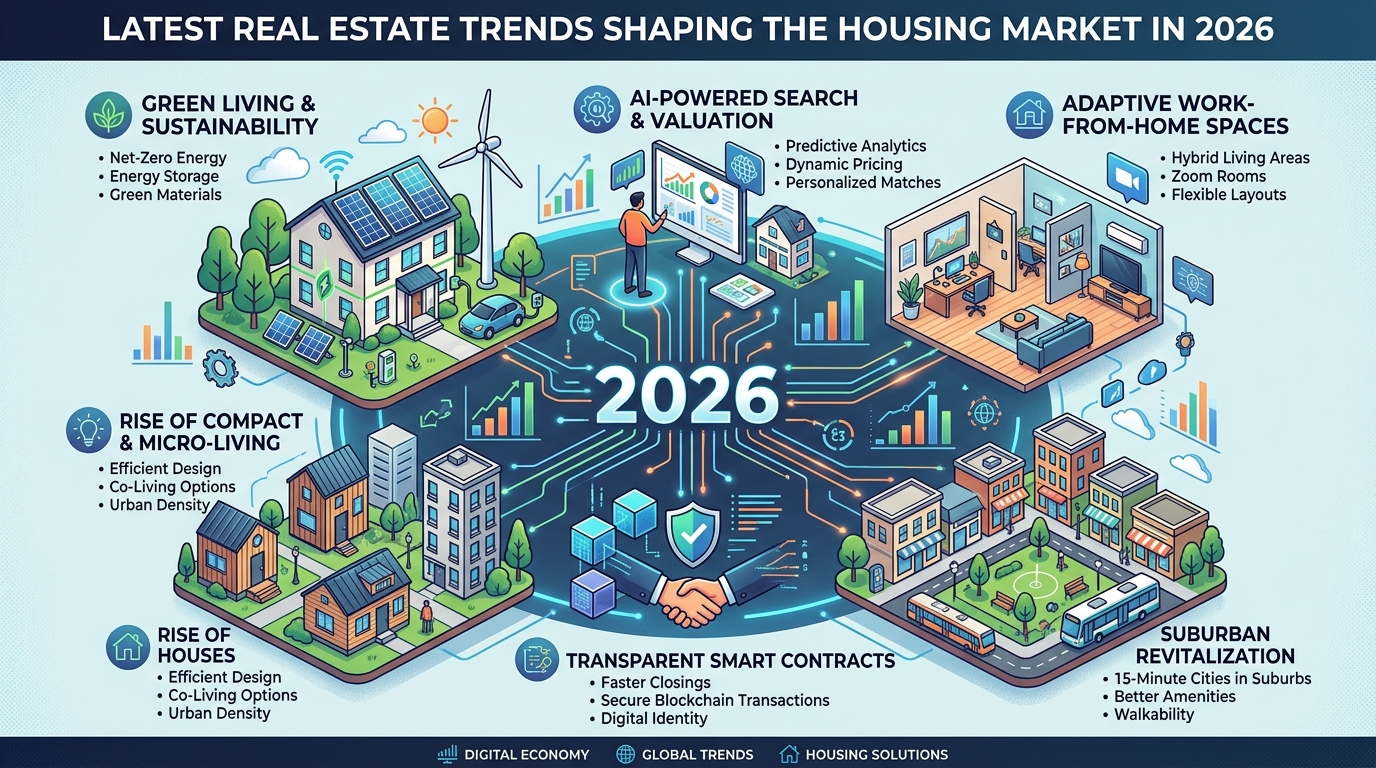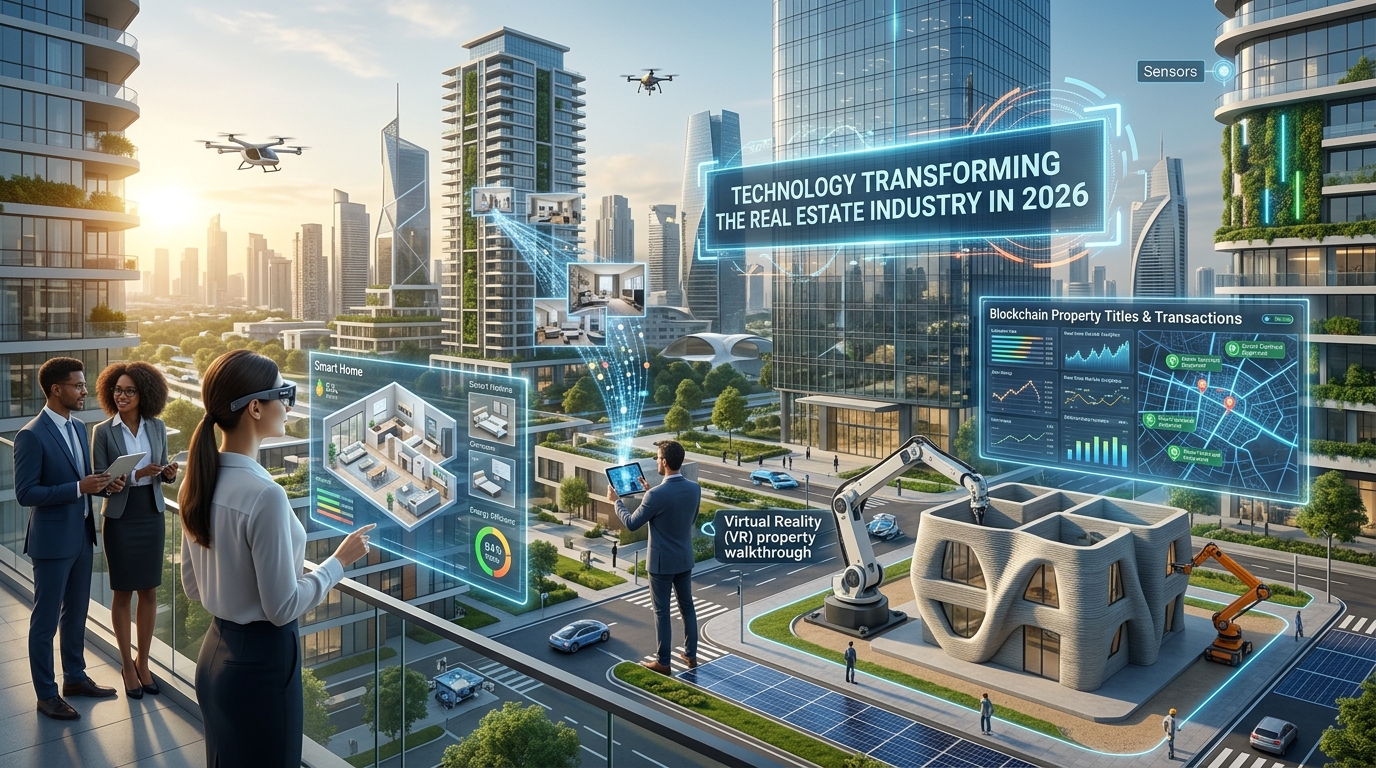

The real estate industry is undergoing a major transformation in 2026, driven by rapid advancements in technology. From property search to final transactions, digital tools are reshaping how buyers, sellers, and agents interact with the market. Modern technology has made the real estate process faster, more transparent, and more accessible, allowing people to explore and invest in properties with greater ease. As innovation continues to grow, technology is becoming a central pillar in the evolution of the housing sector.
Digital Property Search and Online Listings
The way people search for properties has changed significantly with the rise of digital platforms. Online listings provide detailed property information, including images, videos, pricing, and location insights, allowing buyers to explore multiple options without leaving their homes. This has made the initial stages of property hunting much more convenient and efficient.
These platforms also allow users to filter properties based on their preferences, such as budget, location, and features. This targeted approach saves time and helps buyers focus only on relevant options. As a result, both buyers and sellers benefit from a more streamlined and effective property search process.
Virtual Tours and Remote Viewing
Virtual tours have become a game-changer in real estate, especially for buyers who cannot visit properties in person. These tours provide a realistic and immersive experience, allowing users to walk through properties digitally and examine details closely.
This technology is particularly useful for international buyers and investors who want to explore properties in different locations. It also reduces the need for multiple physical visits, saving time and resources for both buyers and real estate agents.
Artificial Intelligence in Real Estate
Artificial intelligence is playing a growing role in the real estate industry by improving decision-making and efficiency. AI tools analyze large amounts of data to predict market trends, evaluate property values, and provide insights into buyer behavior.
These insights help real estate professionals and investors make more informed decisions. AI also enhances customer experience by offering personalized property recommendations based on user preferences and search history.
Big Data and Market Analysis
Big data is transforming how the real estate market is analyzed and understood. By collecting and processing large volumes of data, industry professionals can identify trends, forecast demand, and evaluate investment opportunities more accurately.
This data-driven approach reduces uncertainty and allows buyers and investors to make strategic decisions. It also helps developers plan projects based on real market needs, improving overall efficiency in the industry.
Blockchain and Secure Transactions
Blockchain technology is introducing a new level of security and transparency in real estate transactions. It allows property records and transaction details to be stored in a decentralized system, reducing the risk of fraud and data manipulation.
This technology also simplifies the process of property ownership verification, making transactions faster and more reliable. As blockchain adoption increases, it is expected to revolutionize how real estate deals are conducted.
Smart Homes and IoT Integration
The integration of smart technology into homes is becoming increasingly popular. Smart homes use Internet of Things devices to automate functions such as lighting, security, temperature control, and energy management.
These features not only improve convenience but also enhance energy efficiency and security. Buyers are increasingly looking for properties equipped with smart technology, making it an important factor in modern real estate development.
Digital Transactions and E-Signatures
The process of buying and selling property is becoming more efficient with digital transactions and electronic signatures. These tools eliminate the need for physical paperwork and allow contracts to be signed remotely.
This has significantly reduced delays and made the transaction process smoother. It also ensures better record-keeping and reduces the chances of errors in documentation.
Role of Real Estate Apps and Platforms
Mobile applications and online platforms are making real estate more accessible to users. These apps provide instant access to property listings, market updates, and communication with agents.
Users can manage their property search, track market trends, and even complete transactions through these platforms. This level of accessibility has made real estate more user-friendly and convenient.
Challenges of Technology Adoption
Despite its benefits, the adoption of technology in real estate also comes with challenges. Not all users are familiar with digital tools, which can create a learning gap for some buyers and sellers.
Additionally, cybersecurity risks and data privacy concerns are becoming more important as more transactions move online. Ensuring secure systems and user awareness is essential for maintaining trust in digital real estate platforms.
Future of Technology in Real Estate
The future of real estate technology looks promising, with continuous advancements expected in areas such as artificial intelligence, virtual reality, and automation. These innovations will further enhance efficiency and improve user experience.
As technology evolves, the real estate industry will become more transparent, accessible, and data-driven. This transformation will create new opportunities for buyers, sellers, and investors in the years to come.
FAQs
How is technology changing real estate
Technology is making property search, transactions, and market analysis faster, easier, and more efficient.
What are virtual tours in real estate
Virtual tours allow buyers to explore properties digitally without visiting them physically.
How does AI help in real estate
AI analyzes data to predict trends, evaluate property values, and provide personalized recommendations.
What is the role of blockchain in real estate
Blockchain improves security and transparency in property transactions by using a decentralized system.
Why are smart homes becoming popular
Smart homes offer convenience, energy efficiency, and advanced security features, making them attractive to buyers.
Conclusion
Technology is transforming the real estate industry in 2026 by improving efficiency, transparency, and accessibility. From digital property searches to secure transactions, modern tools are making the entire process more convenient for users. While challenges such as cybersecurity and adoption barriers exist, the overall impact of technology is highly positive. As innovation continues to evolve, it will play an even greater role in shaping the future of real estate.