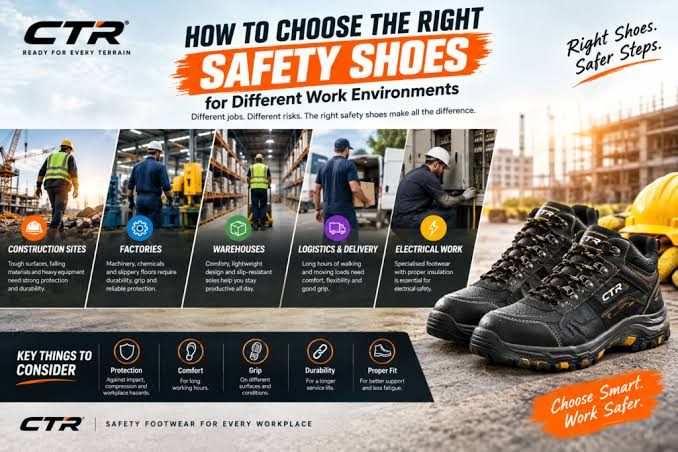

For light to moderate hazards, New Balance safety shoes give the best balance of protection and comfort. Work boots win when you need ankle support and sole puncture resistance. Regular sneakers offer no rated protection and should not replace either one.
This guide compares the three options side by side so you can choose based on your actual risks, not habit.
Key Takeaways
- Sneakers lack a rated toe cap.
- Safety shoes suit smooth floors and light to moderate loads.
- Work boots suit rough ground and heavy hazards.
- Your hazard list should drive the choice.
- Employer requirements override personal preference.
Side-by-Side Comparison
| Feature | Sneakers | Safety Shoes | Work Boots |
| Rated toe protection | No | Yes | Yes |
| Weight | Lightest | Light | Heavier |
| Ankle support | Low | Low to moderate | High |
| Puncture protection | No | Some models | Common |
| Slip resistance | Varies | Often rated | Often rated |
| Breathability | High | Moderate to high | Lower |
| Best for | Casual wear | Warehouses, retail, service | Construction, outdoor work |
When Safety Shoes Are Enough
If you work on indoor floors with boxes, carts or light equipment, a safety shoe covers the main risks. It also keeps you more comfortable over long walking shifts.
Typical roles include warehouse staff, retail and stockroom workers, delivery drivers, technicians and light manufacturing workers.
For a closer look at where this brand fits, the overview of New Balance safety shoes is a handy reference.
When You Need a Boot
Choose a boot if you walk on rough ground, around nails or debris, or on slopes. The higher shaft and stiffer sole add stability and puncture defense.
Boots also help in wet or muddy conditions and when you need extra ankle support for uneven footing or heavy lifting.
Why Sneakers Fall Short
A regular sneaker may feel great, but it has no tested toe cap. A single dropped item can cause a serious injury.
Sneakers also usually lack the sole construction needed for oily or industrial floors. Comfortable does not mean protective.
Comfort vs Protection
| Priority | Best Choice |
| Maximum comfort on smooth floors | Safety shoes |
| Maximum ankle support | Work boots |
| Lowest weight | Sneakers (no protection) |
| Rough terrain | Work boots |
| Fast-paced indoor work | Safety shoes |
Cost Considerations
Safety shoes and boots usually cost more than sneakers, but they replace injury risk with a rated product. Price varies widely by brand, material and features.
Check whether your employer offers a footwear allowance or discount program.
A Simple Way to Decide
- List your top three hazards.
- Check what your employer requires.
- Consider your terrain and weather.
- Pick the lightest option that covers all three hazards.
Can You Mix Footwear?
Some workers keep a boot for outdoor tasks and a safety shoe for indoor shifts. That approach can make sense if your job changes by day or season.
Frequently Asked Questions
Are safety shoes as protective as boots?
For toe protection, they can meet the same standard. Boots add ankle and sole protection.
Can I wear sneakers if my employer does not require safety shoes?
Possibly, but check your actual hazards. Many injuries happen in jobs that seem low risk.
Final Word
The best work footwear is the one that matches your hazards and gets worn every day. Let the risks decide, then let comfort break the tie.
Author Bio: [Author Name] writes about workwear and safety standards for working professionals. They compare gear in plain terms so readers can choose with confidence.