
Welding fabrication is the process of cutting, shaping, and joining metal components to build structures, equipment, and assemblies used across nearly every industrial sector. From structural steel frameworks to custom equipment enclosures, fabrication work sits at the intersection of design engineering and hands-on craftsmanship.
Material Selection and Cutting
A typical fabrication project begins long before any welding takes place. Material selection, cutting, and forming set the foundation for the entire job. Steel, aluminum, and stainless steel each behave differently under heat and stress, and choosing the right material grade for the application is one of the first decisions that shapes both cost and performance.
Cutting Methods
Cutting methods such as laser cutting, plasma cutting, or sawing are selected based on material thickness, required tolerances, and edge quality needed for the next stage of assembly.
Fit-Up and Welding
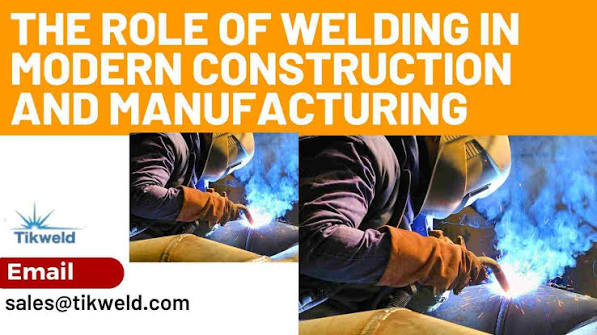
Once components are cut and formed, the fabrication shop moves into fit-up and welding. Proper fit-up, meaning how precisely parts align before welding begins, has a major impact on weld quality and structural integrity. Poor fit-up can lead to excessive gaps, weak joints, or distortion during welding, all of which compromise the finished assembly.
Choosing the Right Welding Process
The welding process itself is chosen based on the application. Structural fabrication involving thicker steel sections often relies on processes that offer strong penetration and high deposition rates, while precision components or thinner materials may call for more controlled, lower-heat techniques. Skilled welders also account for factors like heat distortion, joint design, and post-weld treatment to ensure the final structure meets both dimensional and load-bearing requirements.
Quality Control in Fabrication
Quality control is a critical part of any serious fabrication operation. This can include visual inspection, dimensional checks against engineering drawings, and in structural or pressure-critical applications, non-destructive testing methods such as ultrasonic or dye penetrant testing to verify weld integrity beneath the surface.
Learn More About the Fabrication Process
For a closer look at how fabrication shops manage this process from raw material to finished assembly, this guide on welding fabrication breaks down the steps and quality considerations involved in producing reliable, structurally sound components.
Conclusion
As industrial projects continue to demand tighter tolerances, faster turnaround, and more complex assemblies, fabrication shops that combine skilled welding with strong process control and quality checks remain best positioned to deliver consistent, dependable results.