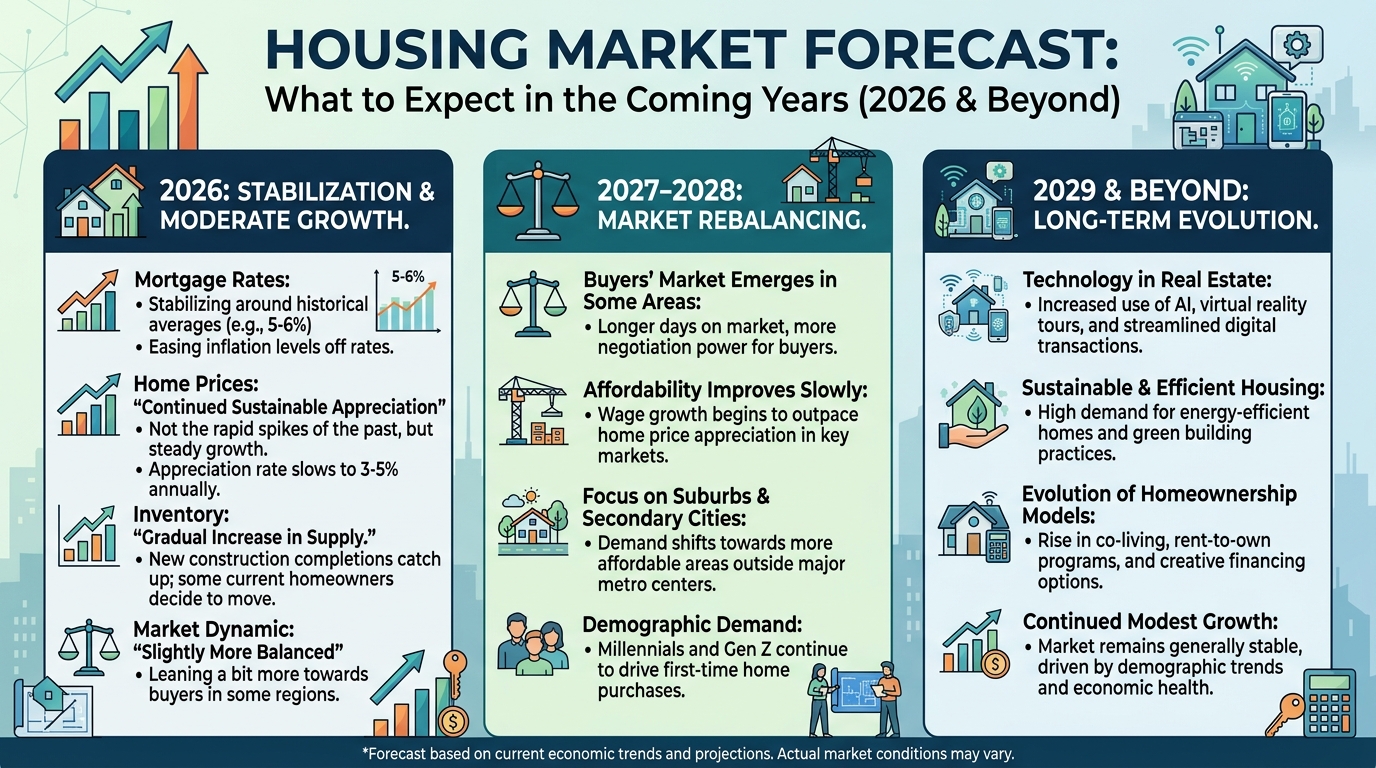

The housing market in 2026 is entering a phase of transformation influenced by economic shifts, population growth, technology, and government policies. Buyers, sellers, and investors are all closely watching these changes to understand where the market is heading. While uncertainty remains, several key trends are shaping the future of real estate, including pricing patterns, demand shifts, and evolving lifestyle preferences. Understanding these factors can help individuals make smarter decisions in the coming years.
The global real estate market is no longer stable in a traditional sense. It is influenced by rapid urbanization, remote work culture, inflation, and digital transformation. These elements are creating both challenges and opportunities. As we move forward, the housing market is expected to become more competitive, data-driven, and technology-focused, making it essential for participants to stay informed and adaptable.
Expected Trends in Property Prices
Property prices are expected to remain high in many regions due to limited supply and increasing demand. Urban centers and developing suburban areas are likely to see continued price growth as more people seek better living conditions and investment opportunities.
However, price growth may not be uniform. Some regions may experience stabilization or slight corrections depending on economic conditions and interest rates. Buyers should expect a more balanced market compared to previous years, where rapid price spikes were common.
Demand Shifts in Urban and Suburban Areas
The demand for housing is shifting between urban and suburban areas. While cities remain attractive for employment and business opportunities, suburban regions are gaining popularity due to affordability and lifestyle preferences.
Remote work has played a major role in this shift. Many professionals no longer need to live close to city centers, allowing them to choose larger homes in quieter and more affordable locations. This trend is expected to continue shaping demand patterns in the future.
Impact of Interest Rates on Future Market
Interest rates will continue to play a major role in shaping the housing market. Higher interest rates can reduce affordability, slowing down buyer activity, while lower rates encourage more purchasing and investment.
In the coming years, fluctuations in interest rates are expected to create periods of both slow and active market conditions. Buyers and investors will need to carefully time their decisions based on financial trends and lending conditions.
Role of Technology in Market Growth
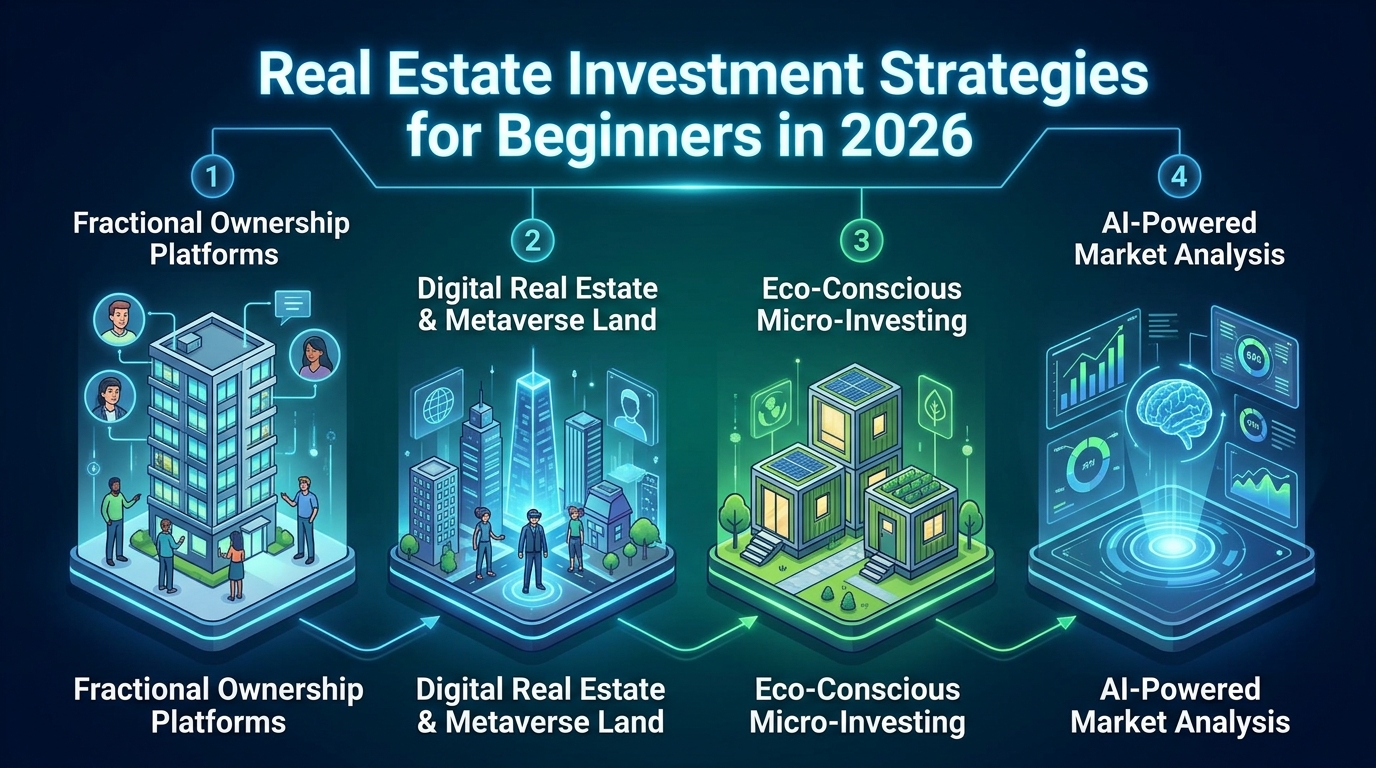
Technology will continue to reshape the housing market in the future. Digital property platforms, virtual tours, and AI-based analytics are becoming standard tools for buyers and sellers.
These innovations make the market more transparent and efficient. Buyers can access more information quickly, while sellers can reach wider audiences. Technology is expected to further streamline transactions and reduce traditional barriers in real estate.
Rental Market Growth and Opportunities
The rental market is expected to grow significantly in the coming years. Rising property prices are making homeownership difficult for many people, increasing demand for rental housing.
This creates strong opportunities for real estate investors. Residential and commercial rental properties are likely to remain a stable source of income, especially in high-demand urban areas.
Government Influence on Housing Market
Government policies will continue to influence housing market conditions. Housing schemes, tax regulations, and development policies can either support or slow down market growth.
In many regions, governments are focusing on improving affordability and increasing housing supply. These initiatives are expected to play a key role in balancing market demand and stability.
Construction Costs and Supply Challenges
Rising construction costs are expected to remain a challenge in the coming years. Material prices, labor costs, and regulatory requirements are increasing development expenses.
This can limit new housing supply, especially in high-demand areas. As a result, property prices may remain elevated unless supply significantly increases through new development projects.
Investment Outlook for Real Estate
Real estate is expected to remain a strong long-term investment option. Despite short-term fluctuations, property continues to offer value appreciation and rental income opportunities.
Investors focusing on long-term strategies and high-growth locations are likely to benefit the most. However, careful research and risk management will remain essential for success.
Market Volatility and Economic Uncertainty
Economic uncertainty will continue to influence the housing market. Inflation, global financial conditions, and employment trends can impact buyer confidence and investment activity.
This volatility means that the market will not move in a straight line. Periods of growth may be followed by slowdowns, making flexibility and planning important for all participants.
Future of Homeownership Trends
Homeownership trends are expected to evolve in the coming years. Younger generations are showing more interest in flexible living arrangements and alternative housing models.
At the same time, traditional homeownership remains a strong goal for many people. However, affordability challenges may delay purchasing decisions for some buyers.
FAQs
What will happen to property prices in the future
Property prices are expected to remain high with steady growth in most urban and developing areas.
Is real estate still a good investment in coming years
Yes, real estate remains a strong long-term investment despite short-term market fluctuations.
How will interest rates affect housing markets
Interest rates directly impact affordability and buyer demand, influencing overall market activity.
Why is suburban housing becoming popular
Suburban housing is growing in demand due to affordability, space, and remote work flexibility.
Will technology change the real estate industry
Yes, technology is making real estate more efficient, transparent, and accessible for everyone.
Conclusion
The housing market forecast for 2026 and beyond shows a dynamic and evolving landscape shaped by economic, technological, and social changes. While challenges such as rising prices and interest rate fluctuations exist, opportunities in investment and rental markets remain strong. Staying informed and adaptable will be key for buyers, sellers, and investors navigating the future of real estate successfully.