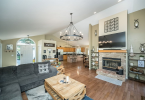

Selling a home can feel exciting and stressful at the same time. Many homeowners want to sell quickly and earn the best possible price. But buyers today have many options. They compare prices, photos, locations, and home conditions before making a decision.
That is why smart preparation matters. Small details can greatly affect how buyers see your property. Clean rooms, good lighting, fair pricing, and strong marketing all help create better results.
The good news is that you do not need expensive upgrades to improve your chances. Simple changes often make a huge difference.
In this guide, you will learn the best home selling tips for preparing your property, attracting buyers, avoiding common mistakes, and increasing your chances of a smooth sale.
Whether you are selling your first home or your fifth, these practical ideas can help you feel more confident during the process.
Why Home Selling Tips Matter
Many homeowners believe buyers will automatically love their house because of personal memories or emotional value. But buyers focus on comfort, appearance, price, and condition.
Good home selling tips help sellers:
- Attract more buyers
- Reduce selling time
- Increase property value
- Avoid costly mistakes
- Create smoother negotiations
For example, two similar homes may sit in the same neighborhood. One home looks clean, bright, and organized. The other feels cluttered and poorly maintained. Most buyers will choose the cleaner property first.
Selling a home also involves:
- Online listings
- Property showings
- Negotiations
- Inspections
- Legal paperwork
Mistakes during these stages can delay the process or reduce profits.
Here’s the thing: buyers often form opinions within minutes. A good first impression matters both online and in person.
That is why preparation becomes one of the most important parts of selling successfully.
Clean and Declutter Your Home
One of the most effective home selling tips is keeping the property clean and organized.
A clean home feels larger, brighter, and better maintained. Buyers notice small details very quickly.
Focus on Deep Cleaning
Clean:
- Floors
- Windows
- Kitchens
- Bathrooms
- Walls
- Carpets
Fresh smells also matter. Strong odors from pets, smoke, or food may turn buyers away.
Remove Clutter
Too many personal items make rooms feel crowded. Remove:
- Extra furniture
- Old magazines
- Family photos
- Unused decorations
Buyers want to imagine their own life inside the house.
Organize Storage Areas
Closets and cabinets should look neat. Buyers often check storage space carefully.
For example, a small bedroom with fewer items may feel much larger after removing unnecessary furniture.
You do not need to make the home look empty. You simply want rooms to feel open and welcoming.
Clean and organized homes usually photograph better online too.
Improve Your Home’s First Impression
First impressions strongly affect buyer interest. This is why curb appeal remains one of the most important home selling tips.
Curb appeal means how your property looks from the outside.
Easy Ways to Improve Curb Appeal
- Cut the grass
- Trim bushes
- Wash pathways
- Paint the front door
- Add flowers or plants
- Clean outdoor lights
A fresh exterior makes buyers feel positive before entering the house.
Check the Entry Area
The front entrance should feel welcoming. Small details matter:
- Clean door handles
- Working lights
- Fresh paint
- Neat decorations
For example, adding simple potted plants near the entrance can make the home feel more inviting without spending much money.
Fix Exterior Problems
Repair:
- Broken fences
- Cracked pathways
- Loose gutters
- Damaged roof areas
Buyers may worry about hidden repair costs if the outside already looks neglected.
A strong first impression often encourages buyers to explore the rest of the home with more interest.
Set the Right Price
Pricing mistakes can hurt a home sale badly. One of the most valuable home selling tips is choosing a realistic asking price.
Many sellers overprice their homes because of emotional attachment. But buyers compare many listings online before visiting.
Problems With Overpricing
An overpriced home may:
- Stay unsold longer
- Receive fewer offers
- Require later price reductions
Study Similar Homes
Compare properties in your area with similar:
- Size
- Bedrooms
- Bathrooms
- Condition
- Features
These are often called comparable properties.
Understand Local Market Conditions
Strong markets allow higher prices because demand increases. Slower markets require more competitive pricing.
For example, a seller may believe kitchen upgrades added huge value. But buyers may still compare the property mainly against nearby homes.
Consider Professional Advice
Real estate agents and appraisers can help estimate fair market value.
Homes priced correctly often attract more buyers quickly and may even create competitive offers.
Use High-Quality Photos
Today, most buyers search online first. That is why professional-looking photos rank high among important home selling tips.
Bad photos can reduce interest immediately.
Use Bright Natural Light
Take photos during daylight. Open curtains and blinds.
Highlight Important Rooms
Focus on:
- Living rooms
- Kitchens
- Bedrooms
- Bathrooms
- Outdoor areas
Remove Distractions
Hide:
- Trash bins
- Wires
- Laundry
- Personal items
Keep Photos Honest
Photos should make rooms look attractive but realistic.
For example, a bright kitchen photo with clean counters and fresh flowers feels warm and welcoming.
Professional photography often helps homes receive more online views and showing requests.
Video tours and virtual walkthroughs can also improve interest, especially for distant buyers.
Strong photos create better first impressions before buyers even visit the property.
Make Simple Repairs Before Selling
Small repair issues can create big concerns for buyers. One of the smartest home selling tips is fixing visible problems early.
Common Repairs to Handle
- Leaky faucets
- Broken handles
- Cracked paint
- Loose doors
- Damaged tiles
- Burned-out light bulbs
Buyers may assume larger hidden problems exist if they notice many small issues.
Fresh Paint Helps a Lot
Neutral paint colors often make homes feel cleaner and brighter.
Check Important Systems
Make sure:
- Plumbing works properly
- Lights function correctly
- Heating and cooling systems operate well
For example, a dripping kitchen tap may seem minor. But buyers may worry about plumbing problems throughout the home.
Simple repairs usually cost less than major price reductions during negotiations.
Homes in move-in condition often attract stronger offers because buyers feel more comfortable.
Stage Your Home for Buyers

Home staging means arranging furniture and decor to make the home look attractive. This is one of the most effective home selling tips for creating emotional connections.
Keep Spaces Open
Avoid overcrowded rooms with too much furniture.
Use Neutral Decor
Simple colors help buyers focus on the home itself.
Add Warm Details
Small touches create comfort:
- Fresh flowers
- Soft pillows
- Clean towels
- Warm lighting
Focus on Main Living Areas
The kitchen and living room often influence buyer decisions the most.
For example, a staged dining table with simple plates and candles helps buyers picture family dinners in the home.
You do not need expensive furniture. Clean spaces and thoughtful layouts often work best.
The goal is helping buyers imagine themselves living there.
Market Your Home Properly
Good marketing increases visibility and attracts more buyers. Strong marketing strategies remain essential home selling tips today.
Create Strong Online Listings
Use clear descriptions with important details:
- Property size
- Bedrooms
- Bathrooms
- Features
- Nearby schools or transport
Share on Social Media
Facebook groups and local community pages may attract additional buyers.
Use Real Estate Websites
Popular property websites increase listing exposure.
Offer Flexible Showings
More viewing opportunities often lead to more offers.
For example, a seller who allows weekend and evening showings may attract buyers with busy work schedules.
Work With Real Estate Agents
Experienced agents understand local markets and buyer behavior.
The more buyers who see your home, the better your chances of finding the right offer quickly.
Negotiate Smartly With Buyers
Negotiation is a normal part of home selling. Learning negotiation skills is one of the most useful home selling tips.
Buyers may:
- Offer lower prices
- Request repairs
- Ask for closing assistance
Stay Calm
Do not take offers personally.
Respond Quickly
Fast communication keeps buyers interested.
Know Your Bottom Price
Decide your minimum acceptable price before negotiations begin.
Review Buyer Financing
Strong financing approval reduces the risk of failed deals.
For example, one buyer may offer slightly less money but already have mortgage approval. Another buyer may offer more but still need financing approval.
Sometimes the safer offer creates fewer future problems.
Successful negotiations often involve flexibility and good communication from both sides.
Common Home Selling Mistakes
Many homeowners make avoidable mistakes while selling property. Understanding these problems helps improve results.
Overpricing the Home
This remains one of the biggest mistakes.
Ignoring Cleaning
Dirty homes create poor first impressions.
Using Poor Photos
Dark or blurry images reduce buyer interest quickly.
Refusing Showings
Limited viewing times reduce opportunities.
Being Too Emotional
Sellers sometimes struggle with criticism from buyers.
Hiding Problems
Unreported issues may create legal trouble later.
For example, hiding roof leaks during the selling process can damage trust and delay closing.
Patience, honesty, and preparation usually create smoother home sales.
How Market Conditions Affect Home Sales
Real estate markets constantly change. Understanding local conditions helps sellers use better home selling tips.
Seller’s Market
A seller’s market happens when:
- Buyer demand is high
- Housing supply is low
Homes often sell faster in these conditions.
Buyer’s Market
A buyer’s market happens when:
- More homes are available
- Buyers have more choices
Sellers may need lower prices or better incentives.
Interest Rates Matter
Lower loan rates often increase buyer demand.
For example, low mortgage rates may encourage more families to buy homes instead of renting.
Watching local market activity helps sellers choose better pricing and timing strategies.
FAQs About Home Selling Tips
A quick guide to common questions people ask before selling their homes.
1. What helps a house sell faster?
Clean spaces, fair pricing, quality photos, and strong marketing usually help homes sell faster.
2. Should I repaint before selling?
Yes, neutral paint colors often make rooms feel cleaner and more modern.
3. Do I need a real estate agent?
Not always, but agents can help with pricing, marketing, negotiations, and paperwork.
4. What rooms matter most to buyers?
Kitchens, bathrooms, and living rooms often influence buyers the most.
5. How do I increase my home’s value before selling?
Simple repairs, better lighting, fresh paint, and improved curb appeal often increase buyer interest.
Conclusion
Following smart home selling tips can make the selling process smoother, faster, and less stressful. Small improvements like cleaning, staging, pricing correctly, and using quality photos often create stronger buyer interest.
Successful sellers focus on preparation and presentation. Buyers want homes that feel clean, comfortable, and well maintained. They also want fair prices and honest communication during negotiations.
Whether you work with a real estate agent or sell independently, patience and planning matter a lot. Avoid emotional decisions, study local market conditions, and stay flexible during the process.
Selling a home may seem difficult at first, but the right strategy can help you attract serious buyers and achieve better results. With careful preparation and smart decisions, you can sell your home with greater confidence and less stress.