
Let’s be real—buying a home can feel like stepping into a maze blindfolded. You scroll through countless listings, get lost in confusing jargon, and feel the pressure of making one of the biggest financial decisions of your life. That’s why real estate buying tips are a lifesaver. Think of this as a friendly conversation where I share everything you need to know, no fluff, just real talk, so you feel confident and prepared every step of the way. Buying property is exciting, but it can also be overwhelming if you don’t know where to start. The goal here is to break it down in a way that makes sense for beginners, walking through budgets, research, inspections, financing, negotiation, and all the little things that can make a huge difference in your buying experience.
Understanding Your Budget
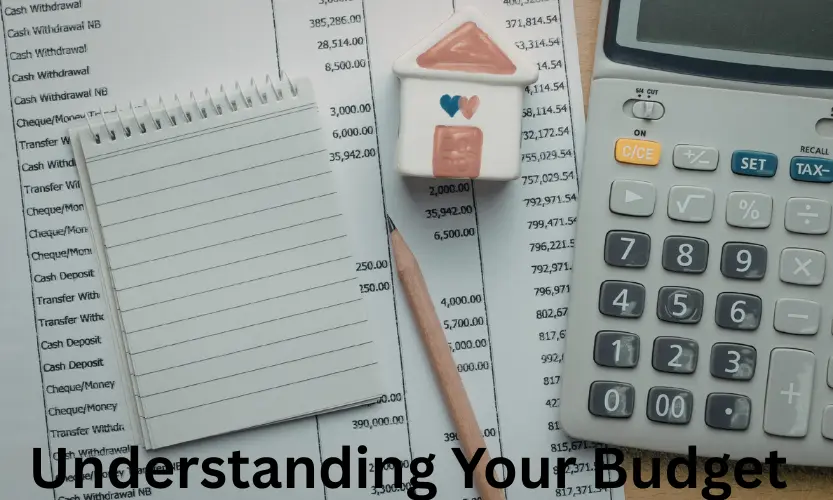
Before you even think about visiting properties or scrolling through listings, it’s essential to understand your budget. This is the foundation of any smart property purchase. Take a detailed look at your monthly income, expenses, and existing debts, and figure out what you can comfortably afford without compromising your lifestyle. Factor in not just the property price but also hidden costs such as closing fees, property taxes, maintenance, and potential renovation costs. If you’re planning to get a mortgage, consider getting pre-approved. This gives you a realistic picture of how much you can borrow and signals to sellers that you are a serious buyer. Understanding your budget also helps you avoid falling in love with a property you can’t afford, saving both time and stress in the long run.
Researching the Market
Knowledge is power when it comes to real estate. Spend time exploring neighborhoods that appeal to you, looking at price trends, and considering amenities. Check schools, public transport options, safety, and the general vibe of the area. Research future developments, as new projects can affect property value over time. Visit properties in person to get a true sense of space and feel. Take notes, compare features, and don’t rush the process. Real estate isn’t a sprint; it’s a marathon, and careful research ensures you make informed decisions. Online listings can give you a start, but nothing beats walking through a property and experiencing it firsthand.
Choosing the Right Property Type

Deciding on the type of property you want is crucial. Single-family homes offer space and privacy but often require more maintenance. Condos can be more affordable and low-maintenance, but you might have homeowners’ association fees and less control over shared spaces. Townhouses fall somewhere in between. Consider what fits your lifestyle, your long-term goals, and the potential resale value. Think about how your life might change over the next few years—are you planning a family, or is this more of an investment? These questions will guide you toward the property type that aligns with your needs.
Inspecting Properties
Inspection is where many beginners stumble, but it is absolutely non-negotiable. Schedule professional inspections for any property you seriously consider. Look beyond surface-level appearances. Check the roof, plumbing, electrical systems, walls, windows, and floors. Look for signs of water damage, mold, cracks, and any structural issues. Pay attention to smells, uneven flooring, or damp areas, as these can indicate larger problems. Even if a property looks perfect online or in photos, seeing it in person and inspecting every corner is essential. A thorough inspection may uncover issues that can save you thousands or give you leverage during negotiation.
Understanding Real Estate Contracts
Contracts can feel like a foreign language at first, but understanding key elements can protect you. Know about contingencies for financing, inspections, and appraisals. Pay attention to special clauses and deadlines. Never sign anything you don’t understand, and don’t hesitate to ask questions. It’s wise to have a real estate agent or lawyer review the contract to ensure your interests are protected. Understanding the fine print can prevent costly mistakes and misunderstandings, giving you confidence to move forward with your purchase.
Negotiation Strategies
Negotiation can be intimidating, especially for beginners, but it is an essential skill for getting a good deal. Start by knowing the market value of the property and having clear limits in mind. Avoid showing desperation, and be ready to walk away if the deal doesn’t feel right. Small concessions like asking the seller to cover closing costs or include appliances can save you money without changing the property price. Remember that negotiation is as much about patience as strategy. Approaching it calmly and confidently can lead to better outcomes and reduce stress during the buying process.
Financing Options
Understanding your financing options is crucial for making the best decision. Fixed-rate mortgages offer stability, while adjustable-rate mortgages might give short-term savings but carry more risk over time. Check if you qualify for first-time buyer programs or grants that reduce interest rates or down payments. Paying cash has its advantages, such as faster transactions and stronger bargaining power, but it can tie up your liquidity. Loans allow you to leverage your investment but come with interest and monthly payments. Consider your financial comfort level and long-term goals before making a choice.
Avoiding Common Pitfalls
Even experienced buyers make mistakes, so it’s important to know what to avoid. Don’t rush into buying a property because it “feels right.” Always research thoroughly before making an offer. Never skip inspections or rely solely on online photos. Watch out for hidden costs such as property taxes, homeowners’ association fees, or upcoming repairs. Avoid overstretching your budget, as it can lead to stress and financial strain. Patience, research, and careful planning are your best tools for avoiding pitfalls and ensuring a smooth buying experience.
Working with a Real Estate Agent
A skilled real estate agent can make the buying process much easier. They understand the market, handle negotiations, and guide you through paperwork. Choose an agent who listens to your needs and doesn’t push properties just to close a deal. The right agent acts as a trusted advisor and can save you time, money, and stress. If you’re buying independently, make sure you understand contracts, market trends, and negotiation tactics thoroughly, as you won’t have that professional support.
Long-Term Considerations
Think beyond the immediate purchase. Consider potential resale value, neighborhood growth, and possible renovations. Even if you plan to stay for many years, buying a property with strong long-term prospects protects your investment. Look for areas with stable or growing demand, amenities that attract future buyers, and properties that are structurally sound. Long-term thinking ensures your property remains valuable and can support your goals, whether that’s living in it, renting it, or selling it later.
You may also like these
Property News Today: What’s Shaping the Real Estate Market Right Now
Stay Ahead With Real Estate News Updates That Truly Matter
Housing Market News Explained for Smart Buyers and Sellers
New Property Projects News That Buyers and Investors Trust
Explore the Latest Residential Property News: Trends You Can’t Miss
Checklist Before Making an Offer
Before finalizing any purchase, go through this practical checklist. Confirm your budget and pre-approval. Make sure neighborhood research is thorough. Ensure property inspection is completed. Have a professional review your contract. Plan your negotiation strategy. Finalize financing options. Going through this checklist keeps you organized, confident, and ready to move forward without second-guessing yourself.
Conclusion
Buying your first home can be exciting, stressful, and overwhelming all at once, but with the right preparation and a clear set of real estate buying tips, the process becomes manageable. Take your time, research carefully, ask questions, and don’t be afraid to seek help. Follow a checklist, stay patient, and trust your instincts. Real estate is a journey, and making informed decisions ensures your purchase will be both rewarding and stress-free. Remember, this is about more than just buying a property—it’s about creating a place that feels like home and an investment that supports your future.
FAQs
What are the key real estate buying tips for beginners?
Start by understanding your budget, researching the market, visiting multiple properties, and working with trusted agents to make informed decisions.
How can I avoid common mistakes in real estate buying?
Focus on thorough research, inspect properties carefully, review contracts, and never rush your decision. Knowledge and patience are key.
Is it better to buy property with a loan or cash?
It depends on your financial situation. Loans can help leverage your investment, while cash offers can give negotiation advantages.
How do real estate buying tips help me save money?
They guide you to spot fair prices, avoid hidden costs, negotiate effectively, and choose properties with long-term value.
Should I hire a real estate agent or buy independently?
Agents bring expertise, market knowledge, and negotiation skills, making the buying process smoother, though independent buyers can save on fees.