
Buying a home is one of those life goals that sounds beautiful in theory but feels overwhelming the moment you try to take it seriously. One day you are casually browsing listings, and the next day you are buried under prices, advice, opinions, and fears that make you question whether you should even start. Many people reach this stage feeling confused, anxious, and unsure of what step comes next, which is exactly why searches for home buying tips are so common. People are not looking for fancy language or complicated formulas; they want reassurance, clarity, and honest guidance that feels human. This article is meant to feel like a calm conversation between friends, the kind where you finally feel heard, understood, and confident enough to move forward without pressure or panic.
Why Buying a Home Feels So Heavy Emotionally

Buying a home is not just a financial decision, it is an emotional one. It represents stability, independence, safety, and often years of hard work. That emotional weight is what makes the process feel so intense. Beginners often feel like they are making a decision that could either secure their future or completely derail it, which creates fear of making mistakes. On top of that, family members, friends, and even social media constantly share opinions, success stories, and warnings that add more noise instead of clarity. It is normal to feel torn between excitement and anxiety, hope and doubt. Understanding that these feelings are part of the process helps reduce their power and allows you to think more clearly.
Getting Your Mindset Right Before You Even Look at Houses
Before numbers, locations, or paperwork, mindset matters more than anything else. Many beginners approach home buying with urgency, believing they must act quickly or they will miss their chance forever. In reality, rushed decisions often lead to regret. A healthy mindset accepts that this is a process that unfolds step by step. You do not need to know everything on day one. You just need to be willing to learn, ask questions, and pause when something does not feel right. Let go of the idea of finding a perfect home. Instead, focus on finding a home that fits your life, your budget, and your emotional comfort. When your mindset is calm and realistic, every other decision becomes easier.
Understanding Your Budget Without Feeling Restricted
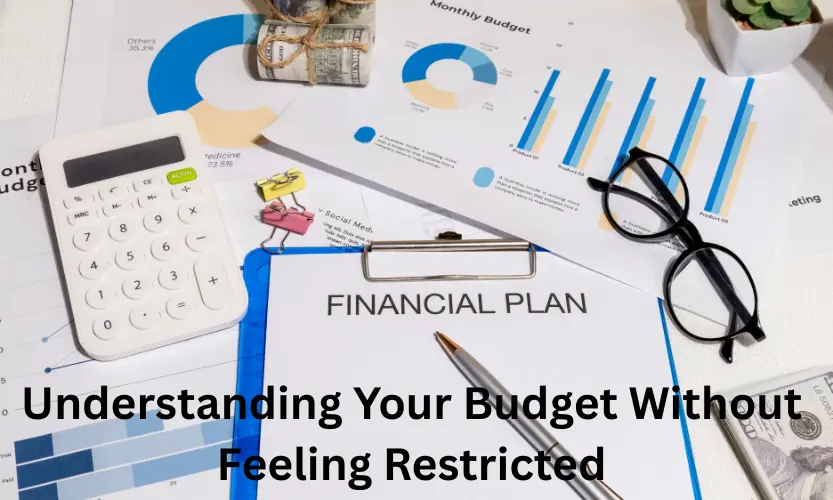
Budgeting is often where excitement turns into stress because numbers feel limiting. But a budget is not meant to punish you; it is meant to protect you. A realistic budget helps you enjoy your home instead of worrying about it every month. Beginners often focus only on the purchase price and forget about ongoing expenses like utilities, maintenance, repairs, taxes, and lifestyle adjustments. When you consider your budget honestly, including how you want to live after buying the home, you gain freedom rather than losing it. A home should support your life, not shrink it. Feeling financially comfortable in your home is far more valuable than owning something that looks impressive but causes constant anxiety.
Saving for a Down Payment Without Losing Motivation
Saving for a down payment can feel discouraging, especially when prices seem high and progress feels slow. Many people give up before they really begin because they believe they will never reach their goal. The truth is that saving is not about speed, it is about consistency. Starting small is still starting. Creating a separate savings habit for your future home builds momentum and confidence over time. Each small step reminds you that ownership is possible, even if it feels far away right now. The goal is not perfection, but commitment. When saving becomes part of your routine, it stops feeling like a burden and starts feeling like progress.
Choosing a Location That Fits Your Real Life
Location is not just about popularity or resale value, it is about how you live every day. Beginners often focus on what sounds impressive rather than what feels practical. A great location for someone else may be exhausting for you. Think about your daily routine, your commute, access to essentials, noise levels, safety, and the kind of environment that helps you feel at ease. It is also important to think ahead. Life changes, routines evolve, and your home should be able to support those changes. Visiting an area at different times of day helps you understand its true character beyond first impressions.
Understanding What You Truly Need Versus What You Want
One of the biggest challenges in home buying is separating needs from wants. Needs are the things that directly affect your comfort and daily life, while wants are features that feel exciting but are not essential. Beginners often stretch their budget for features they rarely use, only to feel financial pressure later. Being honest with yourself about what actually matters helps you make smarter choices. Flexibility is powerful. When you are willing to compromise on small things, you open the door to better options that align with your priorities and budget. This clarity also reduces regret because you know exactly why you chose what you did.
Working With Professionals Without Feeling Overwhelmed
For many beginners, working with real estate agents, lenders, or advisors can feel intimidating. There is often a fear of sounding inexperienced or being pressured into decisions. A good professional should make you feel supported, not rushed. You have every right to ask questions, request explanations, and take your time. Remember that this is your purchase and your future. Professionals are there to guide you, but you remain in control. Trust is essential, and if something feels off, it is okay to step back and reassess your options.
Viewing Homes With a Clear and Calm Approach
House viewings can be emotionally charged. It is easy to fall in love with surface details and ignore practical concerns. Beginners often feel pressure to decide quickly, especially when they hear about competition. Taking notes during viewings helps you stay grounded and compare homes more objectively later. Pay attention to layout, natural light, storage, and overall comfort rather than decoration. Try to imagine living there on an ordinary day, not just during a showing. A home should feel supportive, not stressful. If something does not sit right, trust that feeling and give yourself permission to wait.
Why Inspections Matter More Than You Think
Skipping or rushing an inspection is one of the most common mistakes beginners make. An inspection is not about finding reasons to walk away; it is about understanding what you are buying. Every home has flaws, but knowing about them in advance allows you to plan, negotiate, or prepare emotionally and financially. Inspections protect you from unpleasant surprises and give you leverage in discussions. They turn uncertainty into information, which is one of the most powerful tools a buyer can have.
Navigating Paperwork Without Panic
Paperwork is unavoidable in home buying, and it often looks more intimidating than it actually is. Contracts, agreements, and legal terms can feel overwhelming, especially when you are eager to move forward. The key is to slow down. Read everything carefully and ask for explanations when something is unclear. There is no benefit in rushing through documents you do not understand. Clarity at this stage prevents stress and regret later. Feeling confident about what you are signing brings peace of mind that lasts long after the purchase is complete.
Negotiation Is Normal and Necessary
Negotiation is often misunderstood by beginners as something confrontational or uncomfortable. In reality, it is a standard part of the process. Negotiation does not mean being aggressive; it means being informed and fair. Whether it involves price, repairs, or conditions, negotiation helps ensure that both sides reach an agreement that feels reasonable. Being willing to walk away if something does not align with your comfort level is not a failure, it is a strength. The right home will not require you to ignore your boundaries.
You may also like these
Property News Today: What’s Shaping the Real Estate Market Right Now
Stay Ahead With Real Estate News Updates That Truly Matter
Housing Market News Explained for Smart Buyers and Sellers
New Property Projects News That Buyers and Investors Trust
Explore the Latest Residential Property News: Trends You Can’t Miss
Managing Emotions Throughout the Journey
The emotional ups and downs of buying a home can catch people off guard. One day you feel excited and hopeful, the next day you feel discouraged or doubtful. This emotional cycle is completely normal. The key is not to let emotions make decisions for you. Give yourself time to process feelings without acting on them impulsively. Talk things through, take breaks when needed, and remind yourself why you started. Emotional awareness helps you stay balanced and confident throughout the journey.
Final Thoughts and a Gentle Reality Check
Buying a home is not about proving anything to anyone. It is about creating a space where you can live comfortably, safely, and with peace of mind. There is no universal timeline, no perfect strategy, and no single right choice. What matters is that your decision aligns with your life, your finances, and your emotional well-being. When you approach the process with patience, honesty, and preparation, home buying tips stop feeling like rules you must follow and start feeling like guidance you can trust. Take your time, listen to yourself, and remember that confidence grows with every thoughtful step you take.
Before moving forward, pause and ask yourself if you understand your budget clearly, if the location truly fits your daily life, if the home meets your real needs, if you feel informed rather than pressured, and if your decision feels calm rather than rushed. If most of these feel right, you are likely on a solid path toward a home that supports your future instead of stressing it.
FAQs
What are the most important home buying tips for beginners
The most important home buying tips focus on setting a clear budget, understanding your needs versus wants, and researching the location thoroughly before making any commitment.
How can home buying tips help avoid costly mistakes
Home buying tips guide buyers to inspect properties carefully, review legal documents, and avoid emotional decisions that often lead to regret later.
Are home buying tips useful for first-time buyers
Yes, home buying tips are especially helpful for first-time buyers because they explain complex steps in a simple way and reduce confusion during the process.
When should I start following home buying tips
You should start following home buying tips as soon as you begin thinking about purchasing a home, even before visiting properties or speaking to agents.
Do home buying tips apply to all types of properties
Most home buying tips apply to all property types, but some advice may vary depending on whether you are buying a house, apartment, or investment property.