

Buying your first home is a mix of excitement, anxiety, and confusion all at once. You see beautiful homes online, imagine yourself decorating a space that’s truly yours, and then reality hits—you’re faced with a mountain of paperwork, unfamiliar terms, financial decisions, and a market that can feel overwhelming. That’s why a first time home buyer guide is so important. It’s like having a friend walk you through each step, answering questions you didn’t even know you had, and making sure you don’t make costly mistakes along the way. Feeling overwhelmed is normal, and almost every first-time buyer goes through it. The goal here is to take the stress out of the process, help you feel confident, and give you the tools you need to make smart decisions without second-guessing yourself. This guide will walk you through budgeting, mortgage approvals, finding the right property, negotiating, closing, and even settling into your new home, all in a way that’s beginner-friendly and practical.
Understanding Your Budget
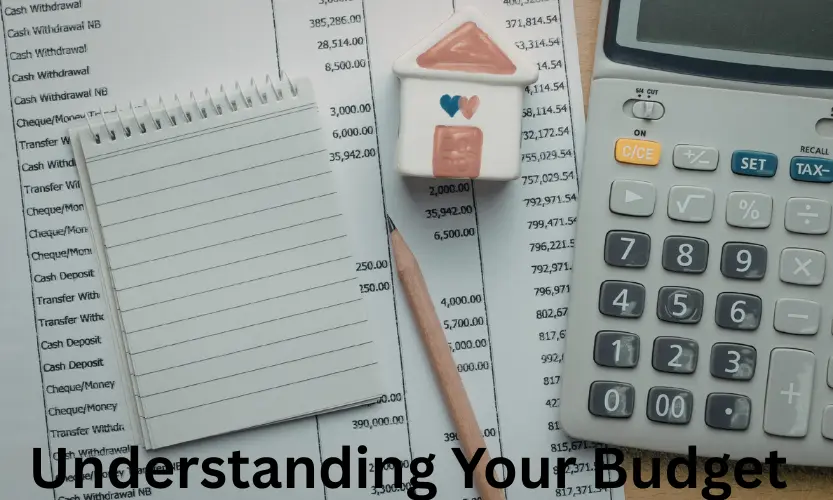
Before you start looking at listings, the most important step is understanding what you can actually afford. Your budget is about more than just the price of the home; it needs to include the down payment, closing costs, moving expenses, monthly mortgage payments, property taxes, insurance, and an emergency fund for unexpected repairs. Many first-time buyers make the mistake of focusing only on the home price, which can lead to financial stress later. Take a realistic look at your income, existing debts, and monthly expenses. It’s also smart to plan for some flexibility—life happens, and being financially prepared will make your first home experience much more enjoyable. Knowing your limits from the start ensures that you can search for homes within your reach and avoid disappointment.
Getting Pre-Approved for a Mortgage
One of the first steps after budgeting is getting pre-approved for a mortgage. This step is crucial because it gives you a clear understanding of how much a lender is willing to loan you, which helps you focus your search on realistic options. Pre-approval involves submitting income documents, credit history, and information about debts and assets to a lender. Once approved, you’ll have a specific loan amount that makes your house-hunting much more focused and shows sellers that you’re a serious buyer. Pre-approval can also speed up the buying process once you find your ideal home, reducing stress and uncertainty along the way.
Choosing the Right Type of Home

Choosing the right home goes beyond price; it’s about lifestyle, needs, and future plans. You may consider single-family homes, which offer privacy and space but often come with higher costs and maintenance. Condos provide convenience and shared amenities, which may be ideal for those looking for low-maintenance living, but they often include monthly fees. Townhouses offer a balance between space and community but may come with restrictions on modifications. Think about your long-term goals—do you want room to grow, a yard for kids or pets, or a simpler, maintenance-free lifestyle? Understanding your needs early will make the search more focused and prevent buyer’s remorse later.
Finding a Realtor You Can Trust
Working with the right realtor is one of the most important decisions you’ll make during this process. A good realtor does much more than show houses; they guide, advocate, and negotiate on your behalf. Look for someone experienced with first-time buyers, knowledgeable about your target neighborhoods, and patient enough to answer all your questions without rushing you. A trusted realtor can help you understand market conditions, identify potential issues, and find homes that match your priorities. Their guidance can save you time, money, and stress while making the buying process smoother and more enjoyable.
Understanding the Home Search Process
The home search process is often more emotionally demanding than people expect. You may fall in love with homes that aren’t a perfect fit, feel frustrated by competition, or worry about making the wrong choice. To make it manageable, create a clear list of must-haves versus nice-to-haves and keep detailed notes about each property. Visit homes multiple times if necessary to get a true sense of the space and the neighborhood. Take time to evaluate each property carefully, considering your lifestyle, commute, and future plans. Patience and focus are key; rushing often leads to mistakes, while a thoughtful approach can help you find a home that truly suits you.
Making an Offer and Negotiating
Once you find a home that meets your needs, the next step is making an offer. This can feel intimidating, but with guidance, it becomes much simpler. Your realtor will help you determine a fair price based on market trends and comparable sales, and will advise on contingencies such as home inspections or financing conditions. Offers can lead to counteroffers, but staying calm and understanding your limits will help you negotiate effectively. Remember, negotiation is part of the process, and the right approach ensures you secure a fair deal without overpaying or losing the home you want.
Home Inspection and Appraisal
A home inspection and appraisal are essential steps that protect you from unexpected problems. The inspection identifies issues with plumbing, roofing, electrical systems, and other structural components, allowing you to make informed decisions before finalizing the purchase. The appraisal ensures the home’s value aligns with your loan amount, protecting both you and the lender. Skipping these steps can lead to costly mistakes later, so it’s important to take them seriously. Consider attending the inspection if possible so you can ask questions and understand the condition of your future home firsthand.
Closing the Deal
Closing day is the final stretch, and while it involves a lot of paperwork, it’s mostly administrative once everything is in order. You’ll sign documents, pay closing costs, and receive the keys to your new home. Make sure to review all documents carefully and ask questions whenever something is unclear. Confirm that all payments, deposits, and legal requirements are handled properly. This step marks the official transition to homeownership, and while it can feel intimidating, staying organized and informed will make the process smoother and much less stressful.
Settling Into Your New Home
Moving in is just the beginning. Setting up utilities, arranging furniture, and familiarizing yourself with your neighborhood are essential first steps. Meeting neighbors, exploring the area, and creating a home maintenance plan will help you adjust and protect your investment. Maintenance includes regular inspections of plumbing, electrical systems, and appliances, as well as seasonal tasks like cleaning gutters and servicing HVAC systems. Treating your home as both a place to live and an investment ensures long-term comfort, safety, and financial stability.
Common Challenges and How to Handle Them
First-time buyers often face challenges like feeling overwhelmed by choices, encountering a competitive market, and dealing with unexpected costs. The key to managing these challenges is preparation and patience. Communicate regularly with your realtor, plan for financial surprises, and approach each step methodically. Understanding that obstacles are part of the process makes them easier to navigate. Remember, every homeowner has been a first-time buyer at some point, and learning from mistakes early on helps you become a confident, informed homeowner.
You may also like these
Property News Today: What’s Shaping the Real Estate Market Right Now
Stay Ahead With Real Estate News Updates That Truly Matter
Housing Market News Explained for Smart Buyers and Sellers
New Property Projects News That Buyers and Investors Trust
Explore the Latest Residential Property News: Trends You Can’t Miss
Final Thoughts and Encouragement
Buying your first home is a big milestone, but with the right approach, it’s also an incredibly rewarding experience. Following a first time home buyer guide helps you navigate the process with confidence, reduces stress, and ensures you make informed decisions. Take your time, stay organized, and trust the process. Remember, it’s not just about the house; it’s about creating a home where you can grow, feel secure, and make lasting memories. Keep your goals clear, be patient with yourself, and celebrate each milestone along the way.
Actionable Checklist for First-Time Buyers
Review your finances and set a realistic budget, get pre-approved for a mortgage to know your limits, create a list of must-haves versus nice-to-haves, find a trusted realtor to guide and advocate for you, visit homes carefully and take detailed notes, make fair offers with contingencies to protect yourself, complete home inspections and appraisals to avoid surprises, review all closing documents thoroughly, and finally, settle in and set up a home maintenance plan to protect your investment. Following this checklist ensures a smoother experience and a more confident transition into homeownership. Remember, a first time home buyer guide is your roadmap to turning the dream of owning a home into a reality.
FAQs
What is a first time home buyer guide and why do I need one
A first time home buyer guide explains the entire buying process in simple terms so you can avoid confusion, reduce stress, and make informed decisions with confidence.
How much money should I save before buying my first home
You should save enough for a down payment, closing costs, and an emergency fund so you are financially prepared and not stretched too thin after purchase.
Is buying a home better than renting for first-time buyers
Buying can be a smart long-term move if you are financially stable and plan to stay put, but renting may be better if flexibility is more important right now.
What mistakes should first-time home buyers avoid
Common mistakes include skipping budget planning, ignoring hidden costs, rushing decisions, and not getting a proper home inspection.
How long does the first-time home buying process usually take
The process can take several months from planning to closing, depending on finances, market conditions, and how quickly you find the right home.